


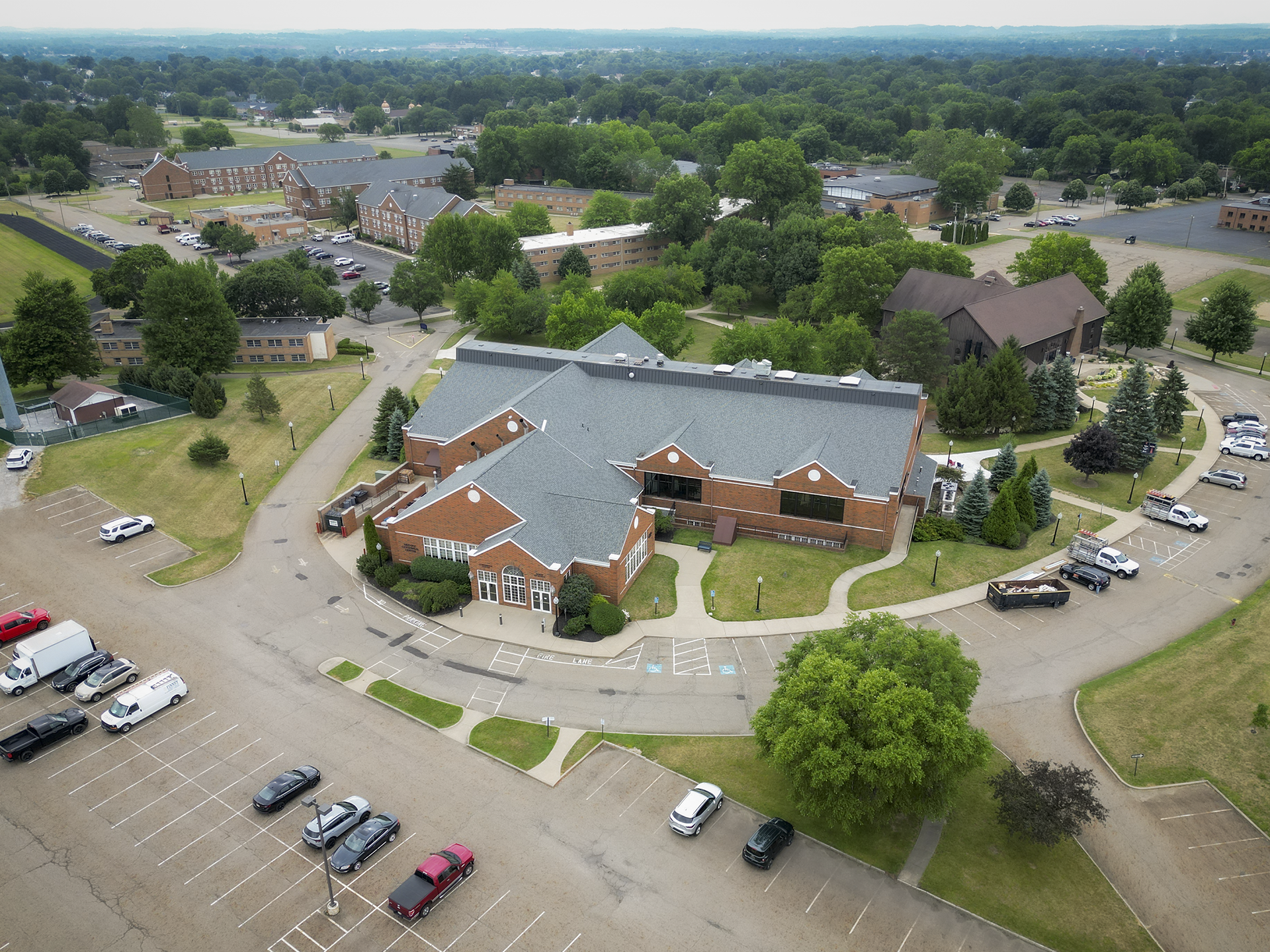
Educational facilities play a significant role in shaping the daily experience of students, teachers, and families. For Christian schools and private institutions, buildings must do more than provide classrooms. They must support learning, encourage community, and create environments that serve students well for years to come.
Successful Christian school construction and private school projects require careful planning, thoughtful design, and a long-term perspective. Every decision, from classroom layouts to campus circulation, impacts how effectively a school can fulfill its mission.
Schools have different priorities than many other types of construction projects. Educational environments must support learning, safety, flexibility, and growth while remaining functional for students and staff throughout the school year.
A well-designed school often includes:
For Christian schools, facilities may also include chapels, worship spaces, or multi-purpose areas that support spiritual development alongside academics.
Understanding these needs early helps guide decisions throughout the planning and construction process.
One of the most common challenges schools face is growth. Enrollment can change over time, and facilities that meet current needs may not support future demand.
Christian school construction projects often benefit from planning that looks beyond immediate requirements. Schools that consider future growth during the design phase are better positioned to adapt without major disruptions later.
Important considerations include:
Planning ahead can help schools maximize their investment and reduce the need for costly modifications down the road.
Effective educational facilities are designed around how students and staff actually use the space. A building may look impressive, but functionality often has the greatest impact on the daily learning experience.
Private school construction contractors should carefully evaluate how spaces support:
The goal is to create spaces that help students focus, learn, and thrive while supporting educators in their work.
Schools are responsible for being good stewards of their resources. Construction decisions must balance immediate budget considerations with long-term operational needs.
A thoughtful planning process helps schools:
Focusing solely on initial construction costs can sometimes create larger expenses later. Long-term value often comes from durable materials, efficient systems, and thoughtful design choices.
Many educational construction projects occur while classes remain in session. This requires careful planning and coordination to minimize disruption.
When working on active campuses, construction teams often focus on:
A well-coordinated approach allows schools to continue operating while construction progresses.
School construction projects often involve multiple stakeholders, including administrators, boards, faculty members, parents, and community supporters. Maintaining alignment throughout the process is essential.
Successful projects are built on:
When everyone understands the vision and process, projects move forward more smoothly and efficiently.
Educational facilities are long-term investments that influence generations of students. Thoughtful planning, disciplined execution, and a focus on functionality help ensure those facilities continue serving their purpose well into the future.
Whether planning a new campus, expanding an existing facility, or modernizing educational spaces, Christian school construction projects benefit from a clear understanding of both current needs and future opportunities.
By approaching each project with careful planning and a commitment to long-term value, schools can create environments that support learning, strengthen community, and prepare for continued growth.
Contact Us to start the conversation.

.webp)

If you have questions about commercial construction planning, delivery methods, or how to approach your next project, we are glad to talk through your goals and considerations.
CONTACT US